
Online CBT for panic disorder
A panic attack can feel frightening. The fear of another attack may then start to shape where you go and what you do.
Ask about a free first call Watch my short video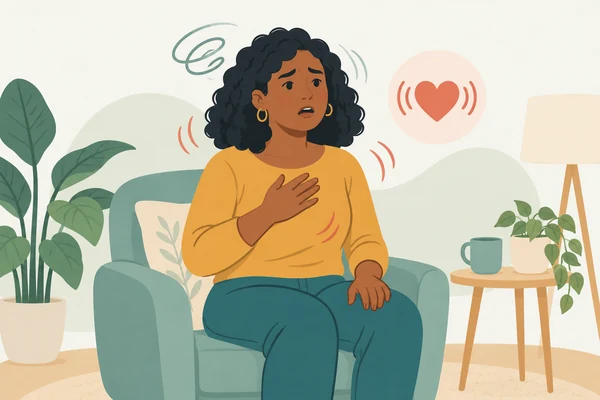
What you might notice
Panic attacks are sudden surges of intense fear with sensations such as a racing heart, dizziness or breathlessness. Panic disorder involves recurring, unexpected attacks alongside ongoing worry about further attacks or changes in behaviour to prevent them. Avoiding activities or closely monitoring your body can gradually narrow daily life.
How CBT for panic attacks can help
We map the links between sensations, their feared meanings and the things you do to feel safe. CBT helps you test those meanings and gradually approach avoided sensations or situations through agreed exercises. New or unexplained physical symptoms should be medically assessed rather than assumed to be anxiety.
What could progress look like for you?
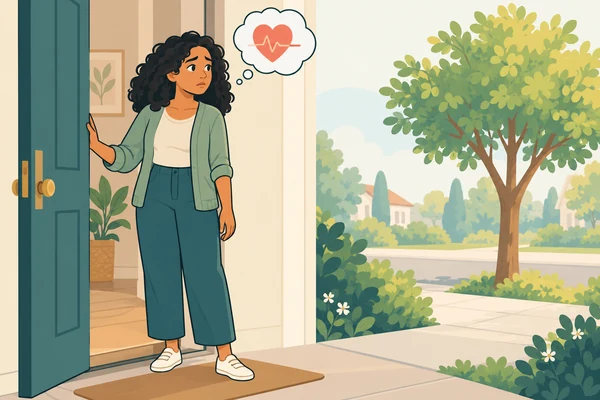
Build confidence in the situations you have started avoiding, and change how you respond to sensations of anxiety. We’ll choose goals that are meaningful to you and review how the work is going.
Can CBT help with panic attacks?
CBT for panic attacks explores the way frightening interpretations of bodily sensations and repeated checking or avoidance can feed a cycle of panic. We agree ways to test these fears and approach situations safely at your pace. These approaches can be explored during online CBT therapy; the plan depends on your individual assessment.
What does online CBT for panic involve?
We start with your experience of panic: what happens, what you fear the sensations mean and how you try to prevent another attack. Together we build a picture of the cycle and choose a goal, such as returning to an activity that fear has made difficult.
Any exercises involving physical sensations or avoided situations are individually planned after assessment. We consider health conditions and safety, explain the purpose of each step and review what you learn. You do not need to arrive knowing which exercise or approach you need.
If your fear is mainly tied to one object or situation, CBT for a specific phobia may be a better starting point. For persistent “what if?” thinking, read about CBT for anxiety and worry.
General information, not a diagnosis. Your experience and goals guide our assessment and the plan we agree together.
Further reading and sourcesWhen the fear of another panic attack takes over
In this short video, I talk about the fear of another panic attack and how it can begin to shape where you go and what you do.
This is the pattern we can explore together in CBT, with goals and a pace that fit you.
Watch on TikTok (opens in a new tab)How the cycle can keep going
This example shows one way the pattern can be maintained. Your own triggers and responses may look different.

Read the cycle step by step
- Trigger: A sudden racing heartbeat
- Meaning: This means something is seriously wrong with me.
- Feelings and body: Fear rises; breathing and heartbeat change further.
- Response: Escape, scan the body or rely on safety habits.
- What keeps it going: Brief relief, but the feared meaning is left untested.
The short-term response can make the pattern more likely to repeat. This is an illustration, not a diagnosis or an individual formulation.
Questions about starting therapy
Practical information to help you decide what to do next.
Can I ask for help if I have panic attacks but no diagnosis?
Yes. Panic attacks can occur in different circumstances, so we assess the pattern rather than assume every attack means panic disorder. New or unexplained physical symptoms need appropriate medical assessment.
Will I be made to trigger a panic attack?
We discuss the purpose, suitability and safety of any exercise before agreeing it. Work is collaborative; exercises are not sprung on you, and we review the pace together.
How much does online CBT for panic cost?
Standard online CBT appointments are £70 for 50–60 minutes. A free 5–10 minute first call lets you ask questions about working together. View session options and fees.
Can I work on places I have started avoiding?
We can discuss the situations you avoid, what you fear might happen and what you want to return to. Any practical steps depend on assessment and your circumstances. More intensive or different support may sometimes be needed.
Panic attacks and frightening predictions
Separate a body sensation from the frightening meaning your mind gives it.
Do not assume new, severe or unexplained symptoms are panic. Seek appropriate medical assessment and keep following clinical advice.
A racing heart, dizziness or changes in breathing can be interpreted as a sign that something terrible is happening. More fear can intensify the sensations. Ask what you are predicting and, with appropriate support, compare that prediction with what happened in previous panic episodes. You do not have to force every feeling away before learning a different response.
Browse this and the other free CBT videosIs fear of another attack stopping you from doing something that matters to you?
A free 5–10 minute consultation is a chance to talk about what you need and whether we could work well together.
Request a callback